
The Future of Health Isn’t Coming — It’s Already Here
There was a time when healthcare meant long waits, multiple referrals, and a lot of unanswered questions. For many of us — especially those dealing with complex, misunderstood, or misdiagnosed conditions — it still feels that way. But it doesn’t have to.
We are standing in the midst of a transformation. The future of health, wellness, and medicine isn’t on the horizon — it’s unfolding in real time. Today’s advancements seem like they’re pulled from a sci-fi movie, but they’re not fiction. They’re exactly what we’ve needed.
People no longer want to be forced through outdated systems and one-size-fits-all approaches. We want care that meets us where we are — in our homes, on our phones, tailored to our lives. We want tools and options that help us live longer, better, and stronger — with clarity and ease.
Strength Is the Foundation — and Creatine Is Part of the Blueprint
Let’s be clear: building strength isn’t just about aesthetics or personal records in the gym. It’s about maintaining quality of life as we age. It’s about mobility, resilience, and preserving independence. Strength training improves bone density, supports joint health, boosts metabolism, enhances cognitive function, and improves mental well-being.
These are not fringe benefits. They are essential.
We’ve known this for decades — we just haven’t prioritized it. But that’s changing. Strength training is no longer being marketed only to athletes or bodybuilders. It’s being rightly reframed as necessary medicine, especially for women entering midlife and beyond.
And yet, there’s still one supplement that continues to be misunderstood, despite the overwhelming evidence supporting its value: creatine.
Creatine Is Not Just for Muscle Gains
There’s a lingering myth that creatine is only for men looking to bulk up. That it causes water retention, weight gain, or kidney damage. All of which are outdated, misinformed, and largely disproven by clinical research.
In reality, creatine is one of the most studied and safest supplements available. And its benefits extend far beyond muscle-building.
For women in perimenopause and menopause, creatine supports energy production at the cellular level, helps counteract age-related muscle loss, and plays a vital role in cognitive function and neurological repair. It’s especially useful in supporting brain health under conditions of stress, sleep deprivation, or hormonal fluctuation — all common experiences during midlife
Emerging research even points to creatine’s potential to protect against depression, cognitive decline, and neurodegenerative diseases. It’s being studied for its use in conditions like Parkinson’s and Alzheimer’s because of its role in ATP regeneration and mitochondrial health — key factors in brain performance and memory retention.
Put simply: creatine isn’t optional. It’s foundational.
It doesn’t bulk you up unless that’s your goal — and it certainly doesn’t make you “masculine.” What it does is restore what your body naturally produces less of as you age, while supporting everything from muscle recovery to brain clarity.
If you’re lifting, aging, managing stress, experiencing hormonal changes, or just trying to stay sharp — creatine belongs in your toolkit.
The Shift to Personalized, Precision Wellness
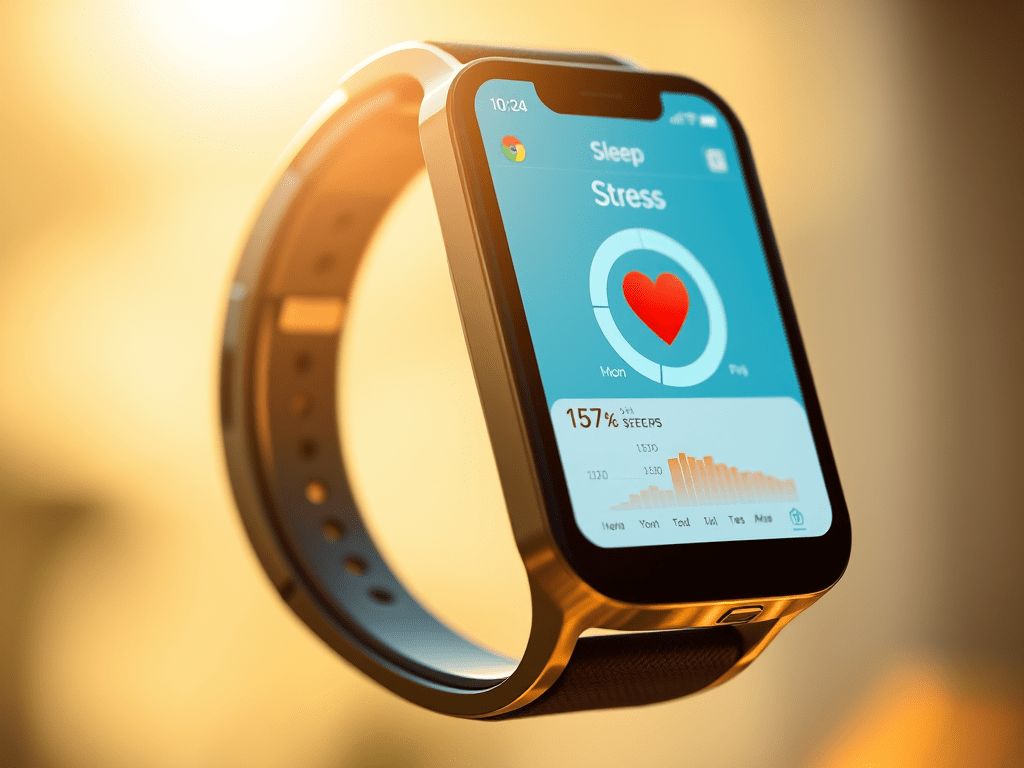
My own journey led me to AlterMe — the first platform I’ve used that truly felt personalized. It uses DNA and biometric data (like sleep, stress, and physical strain) to recommend daily workout types and macro goals tailored specifically to my body. Not what’s “ideal” for the average person. Not what a trainer thinks I should be doing. What my actual biology says I need, that day.
For years, I struggled with unexplained swelling from certain foods and workouts. I have confirmed allergies, yes — but this wasn’t just a gut issue. It was muscular swelling. I was told I had rheumatoid arthritis for nearly a decade, only to be told a few months ago that I don’t. Instead, they wanted to send me to yet another specialist. At some point, you stop letting yourself be passed around like a puzzle no one wants to solve. I decided to take matters into my own hands. I’m not a mystery. I’m just not a match for outdated diagnostics.
AlterMe isn’t the only one doing this work. More and more platforms are emerging that take into account a person’s genetics and unique markers to create customized plans for health, fitness, and nutrition. These are the tools that should be the standard — not the exception.
Addressing the Gap in Women’s Health
Being perimenopausal adds another layer. Everyone’s finally talking about menopause, but perimenopause remains the lesser-known, lesser-supported stage. I began treatment and medication through Winona.com, a platform offering specialized support for women’s hormonal health. I also support peptide therapy as an affordable and accessible option for improved well-being.
I’m tracking, adjusting, and learning every day — but I’m still waiting for something more advanced to address my permanent shoulder separation and joint instability from hypermobility. Traditional medicine offers steroid shots or joint fusion. That’s it. But with the pace of today’s advancements, it’s not unreasonable to hope for regenerative solutions. New cartilage. Connective tissue support. Or — if I’m being bold — a bionic arm. And yes, I volunteer. I’ll go first. Let’s go.
AlphaGenome: Where AI Meets the Human Genome
One of the most promising advancements in the medical AI space is AlphaGenome, recently introduced by DeepMind. This isn’t just another academic breakthrough — it represents a fundamental shift in how we understand the human genome and its role in disease, wellness, and beyond.
AlphaGenome is an AI model designed to predict the impact of genetic variants across vast stretches of human DNA. It analyzes up to 1 million base pairs at a time with exceptional precision — allowing researchers to simultaneously examine gene expression, transcription factor binding, chromatin accessibility, RNA splicing, and more.
This is particularly important because most disease-associated variants don’t occur in the genes themselves, but in the regulatory DNA between them. AlphaGenome is the first model that doesn’t force a trade-off between scale and accuracy. It does both. It’s the only tool so far that covers every relevant molecular property in genomics research — and it does so faster and more efficiently than any model before it.
More than just theoretical, AlphaGenome has already been applied to real-world challenges. It helped identify a mutation responsible for activating an oncogene in a specific type of leukemia. It can provide directionality to disease-associated variants, offering greater clarity for researchers studying rare diseases, cancer, or complex traits like joint hypermobility.
Is it approved for clinical use? Not yet. But DeepMind has made it available to researchers, opening doors to future applications in diagnostics, therapeutics, and synthetic biology.
Why It Matters
This technology — and others like it — could be the difference between a lifetime of symptom-chasing and real answers. Between trial-and-error medicine and customized care. Between resignation and progress.
We are entering an era of deeply personalized health, where wearables, apps, and AI platforms like AlterMe and AlphaGenome can inform decisions with data specific to you. And as someone who’s preparing to donate her body to science to advance women’s health — I say, why wait? Let’s start pushing the boundaries now.
This is what it looks like when AI is used for good.
This is what the future of wellness really means.
And we’re not waiting for it anymore — we’re living it.
 Myers Rigs Consulting
Leave a comment